Are Baby Boomers Aware of the Ketogenic Diet
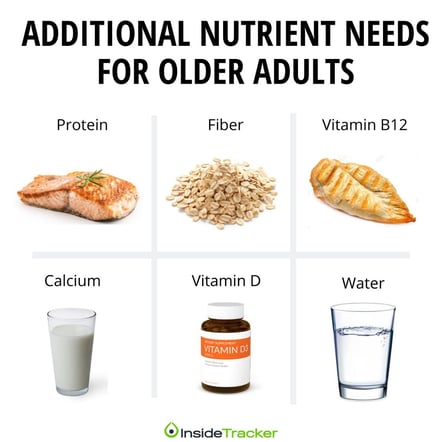
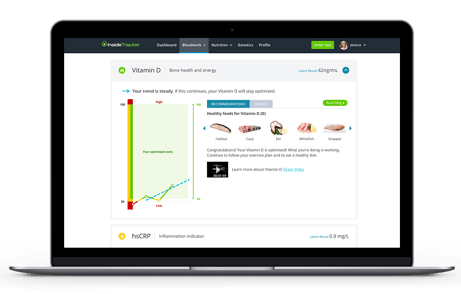
If y'all were born betwixt the years 1944 and 1964, besides known as the Baby Boomer Generation, your nutrition should differ significantly from others. Increased protein, fiber, vitamin B12, calcium, and vitamin D could extend your years and improve your quality of life. What's more, a ge-related diseases like osteoporosis, sarcopenia, and adult-onset diabetes are likewise on the rise (in the millions) in older adults. It is critical, now, more than ever, for Baby Boomers to take their wellness seriously. Here's the breakdown of what you need to know. Increase Protein, Maintain More Musculus Co-ordinate to the National Plant of Health, protein requirements stay the same into older machismo.one However, as we get older, we naturally brainstorm to lose muscle mass and strength, a condition known as sarcopenia. Sarcopenia can develop as early as your 40s from poor nutrition and lack of practise.2,3 The current recommendations for poly peptide for older adults are 0.8g of protein per kilogram of body weight. That ways that the boilerplate 150-pound person needs 55g of poly peptide per day (the equivalent of two craven breasts). All the same, studies show that consuming protein in slightly higher amounts than this recommendation may assistance preserve muscle and bone mass.4 It'southward for this reason that Baby Boomers should consider aiming for slightly more protein (1.0-1.2g/kg). Focus on lean sources of protein including fish, eggs, beans, lentils, and tofu to meet your needs. You can further maintain muscle mass through forcefulness training. Practise serves as a critical factor for maintaining muscle strength and concrete independence in the older population. For a complete guide to gaining muscle, check out The InsideTracker Guide to Gaining Musculus. Keep Things Moving With Fiber Cobweb needs slightly decrease after the age of l.1 However, the majority of the U.Southward. population, including the Boomer generation, fail to see their recommended fiber intake. Diets rich in fiber help prevent several age-related chronic diseases including heart affliction and blazon 2 diabetes.5 Moreover, constipation is a common problem among older adults. Adequate fiber, proper hydration, and exercise all help to alleviate this issue. Whether or not you're a Baby Boomer, it'due south important to focus on including loftier fiber foods in your nutrition, like beans, lentils, oats, night leafy greens, and berries. Vitamin B12: A Loftier Risk for Deficiency Vitamin B12 is a critical food of concern for Baby Boomers. As an essential vitamin, we must obtain vitamin B12 through our diet. This is unlike other nutrients, like vitamin D, which our bodies are able to synthesize without getting it from the diet. However, B12's digestion and absorption depend on both stomach acid and a protein called intrinsic factor (IF). The tum acrid unbinds B12 from food, allowing it to combine with IF, which then facilitates its assimilation into our bloodstream.half-dozen Now comes the item interest to Boomers: as nosotros age, we produce less of both gastric acid and IF. Therefore, even if B12 intake is met through food, older populations face a higher risk of deficiency. Vitamin B12 comes primarily from animal products and their byproducts (meats, eggs, milk, cheese, etc.). Synthetic forms of B12, including supplements and fortified cereals, are absorbed more readily than natural B12, thus serving as a better option for adults anile 51 and older.7 For individuals with low levels of B12, InsideTracker recommends supplementing, but blood tests are necessary to determine levels. Prevent T his Deadly Disease with Calcium Both women and men in the Baby Boomer generation require boosted calcium. Women's increased needs begin at the age of 50, while men needs increase at 70, both from one,000mg to one,200mg per day.8 Calcium is essential for the maintenance, repair, and overall health of our bones. Osteoporosis, a bone disease amongst aging populations, is marked by a significant decline in bone density and quality. It affects an estimated xxx-50 million people effectually the world, 80% of them being women.nine Shockingly, ane in every two women and 1 in every four men over l years onetime will endure a fracture due to osteoporosis. Moreover, nigh 20% of people with osteoporosis-attributed hip fractures will dice within one year of experiencing the fracture.9 Many factors contribute to the development of osteoporosis, including poor nutrition, lack of practise, and changing sexual activity hormones. A nutrient-dense diet with acceptable calcium and vitamin D is essential in preventing osteoporosis. Furthermore, weight-bearing practise helps to build and maintain healthy bones. Foods naturally high in calcium include dairy products and fortified alternatives such equally almond, soy, and coconut milks and yogurts. Not-dairy sources of calcium contain less of the mineral, but tin besides exist consumed to meet one'southward needs. These include tofu, canned salmon and sardines, collard greens, sesame and chia seeds, and broccoli. To maximize calcium absorption, consume your dairy sources alone, rather than along with a meal. If reaching your calcium requirement proves also difficult through foods, consider supplementing to meet these needs. Every bit always, consult with your primary intendance physician before starting any new supplement regimen. If you are over the age of 50, consider likewise getting a bone density scan (DXA). Vitamin D: an Easy Solution to a Common Trouble Vitamin D is involved in many processes in our body, including the absorption of calcium in our bones. Nosotros obtain our Vitamin D primarily from the sun. Food, unless fortified with vitamin D, contains minimal amounts, making it hard to accomplish acceptable levels from diet alone. Vitamin D deficiency is a common trouble amongst people living in the United States, especially those living in northern areas. During the months between Nov and Apr, the vitamin is virtually impossible to obtain from the sun alone.ten Moreover, vitamin D needs increase as we age. Individuals over 70 years one-time take increased needs compared to the remainder of the population, making them especially at hazard for deficiency.11 Foods containing small amounts of vitamin D include fatty fish similar halibut, carp, and eel, maitake (Hen of the woods) mushrooms, and pork. Complement these foods with fortified ones like soy milk and cereals. During the summertime months, aim for 20 minutes of sun exposure each day to maintain levels. A note: this will not replenish deficient or depression levels, but rather help you lot attain your daily needs. Lastly, consider taking a Vitamin D supplement to achieve your needs, only always consult your doctor and your bloodwork offset. Looking at your InnerAge Increasing your longevity and slowing down your biological clock starts from the inside. InsideTracker has carefully identified additional biomarkers that most influence aging and longevity, and compiled them into a single blood test. Information technology gives you a breakdown of each biomarker, resulting in your InnerAge, also known equally your biological age. By making proper food, exercise, and supplement choices, you tin can make your InnerAge upwards to 15 years younger than the 1 dictated by your nascence certificate. References: [1] https://www.ncbi.nlm.nih.gov/books/NBK56068/tabular array/summarytables.t4/?report=objectonly [2] Ferrucci, Luigi, et al. "Of Greek heroes, wiggling worms, mighty mice, and old trunk builders." (2011): 13-16. [3] Walston, Jeremy D. "Sarcopenia in older adults." Current opinion in rheumatology 24.6 (2012): 623. [four] Byrd-Bredbenner, Ballad. Wardlaw's Perspectives in Nutrition. McGraw-Hill Education, 2015. [5] Slavin, J. (2013). Fiber and Prebiotics: Mechanisms and Health Benefits. Nutrients,5(4), 1417-1435. doi:10.3390/nu5041417 [six] https://ods.od.nih.gov/factsheets/VitaminB12-Consumer/ [seven] Allen LH. How common is vitamin B-12 deficiency? American Journal of Clinical Nutrition. 2009 February; 89(ii): 693S–696S. [8] https://www.ncbi.nlm.nih.gov/books/NBK56068/table/summarytables.t3/?report=objectonly [9] Gropper, Sareen Annora Stepnick, et al. Advanced Nutrition and Human Metabolism. Cengage Learning, 2018. [10] AC Ross, CL Taylor, AL Yaktine, et al. Dietary Reference Intakes for Calcium and Vitamin. Institute of Medicine (US) Committee to Review Dietary Reference Intakes for Vitamin D and Calcium. 2011 [11] https://world wide web.ncbi.nlm.nih.gov/books/NBK56068/table/summarytables.t2/?study=objectonly
Increment your lifespan with our eBook'Recipes for Longevity'... download information technology for free today!

Some other blog posts we recall you lot'll love:
Source: https://blog.insidetracker.com/nutrition-tips-baby-boomers
0 Response to "Are Baby Boomers Aware of the Ketogenic Diet"
Post a Comment